Agritourism Ideas: Bird Watching, Farm Stays, and Nature Trails
Discover profitable agritourism ideas outside of hunting. Learn how to generate income from your rural land through bird watching, farm stays, and creating nature trails.
Agritourism Ideas: Bird Watching, Farm Stays, and Nature Trails
When most landowners think of generating recreational income from their property, their minds immediately jump to one thing: a hunting lease.
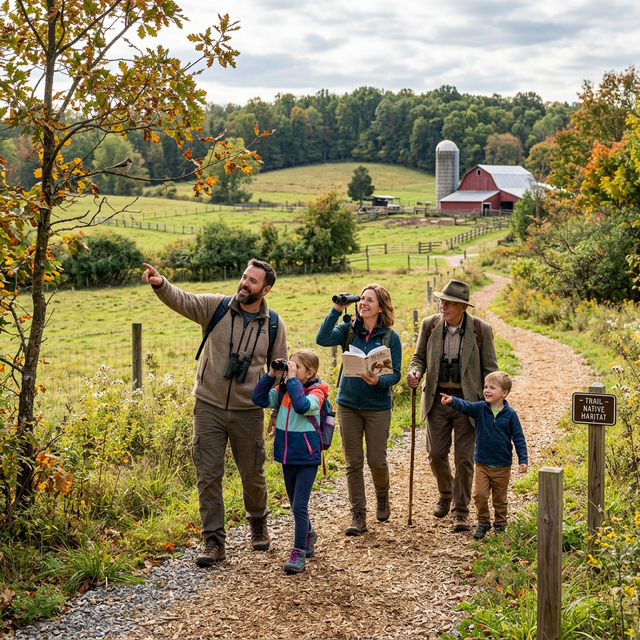
While hunting is lucrative (during a short 2-month window), it excludes the fastest-growing demographic of outdoor enthusiasts: non-consumptive users. Bird watchers, hikers, photographers, and urban families looking for a quiet weekend "farm stay" are seeking access to pristine private land, and they are willing to pay a premium for it twelve months out of the year.
This sector is known as Agritourism (or Ecotourism). If you have unique habitat, a scenic view, or just peace and quiet, your land is an asset waiting to be unlocked. Here are three low-impact, highly profitable agritourism models for private landowners.
1. Bird Watching and Photography Leases
According to the U.S. Fish and Wildlife Service, there are over 45 million active bird watchers in the United States, spending over $40 billion annually on travel and equipment. And they are increasingly frustrated by overcrowded public parks.
If your property features diverse habitats—such as a wetland, a mature hardwood forest, and dense pollinator meadows—it is a magnet for migratory birds.
How to Monetize It: Day-Use Access
You don't need to build a massive lodge. Companies like Hipcamp, or specialized platforms like Birdability and Tentrr, allow landowners to rent out day-use access to their property entirely online.
- The Setup: Carve out a small, designated parking area near the road. Maintain a simple mowed walking path through your best habitats.
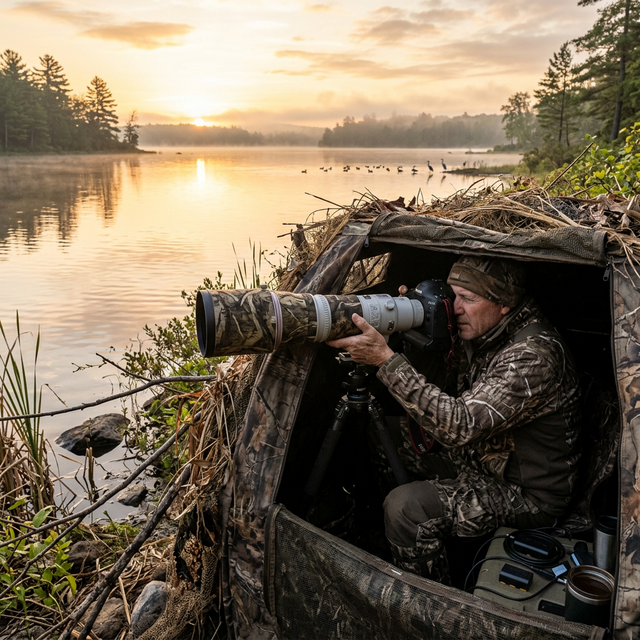
- The Blind: Build a simple, camouflaged "photography blind" overlooking a scenic water feature or a large brush pile. Professional nature photographers will happily rent exclusive daily access to a well-placed blind (especially if it features rare species like Painted Buntings, Wood Ducks, or migrating warblers).
- The Rate: Day passes typically range from $25 to $100 per vehicle, depending on exclusivity and habitat quality.
2. Farm Stays and "Glamping"
The urban desire to disconnect and experience "farm life" is enormous. The Farm Stay model takes the Airbnb concept and drops it into a rural, working landscape.
The Low-Capital Entry: Glamping / Primitive Camping
You do not need to convert your guest room into a bed-and-breakfast or build an expensive cabin.
- Platform Tents & Yurts: Companies like Hipcamp have popularized the "glamping" (glamorous camping) model. Build a simple wooden deck in a secluded, scenic spot (like overlooking your small pond or nestled in a pine grove) and erect a heavy-duty canvas safari tent or a yurt.
- The Pitch: Furnish it nicely with a real mattress, a portable solar generator for phone charging, and a beautiful outdoor fire pit.
- The Economics: A $3,000 canvas tent setup can easily rent for $100 to $250 a night on weekends, paying for itself in a single summer month.
The High-End Entry: Farm Stays
If you run a working homestead or cattle operation, the "experience" is the product. Families will pay to stay in an on-site cabin or RV hookup specifically to have their children collect eggs from the chicken tractor, feed the goats, or watch a border collie herd sheep. You are monetizing the chores you are already doing.
3. Creating and Monetizing Nature Trails
If your property is large (50+ acres) with significant topographical features—like waterfalls, massive rock outcroppings, or ancient oaks—you can monetize movement.
The Setup
Building a trail system doesn't require a bulldozer; it usually just requires a chainsaw and a heavy-duty brush mower to clear a 4-foot-wide path.
- Loop the Property: Trails should be loops. No one wants to hike two miles down a dead-end trail and turn around.
- Points of Interest: Route the trail deliberately past your best wildlife brush piles or snags and scenic vistas.
The Revenue Models
- Mountain Biking / Trail Running Events: Partner with a local running or cycling club to host a weekend event. They handle the insurance, the marketing, and the setup; you charge a per-head "land use fee" for the weekend.
- Equestrian Trails: Horse owners are constantly looking for safe, private trails to ride without the danger of ATVs or dirt bikes. If your trails are wide and free of low-hanging branches, you can lease equestrian access on an annual membership basis, similar to a hunting lease.
The Catch: Navigating Liability
The single biggest roadblock to agritourism is liability. Just like a hunting lease, you cannot allow the public onto your property without a legal safety net.
- State Recreational Use Statutes: Almost every state has "Recreational Use Statutes" explicitly designed to protect landowners who open their land to the public for recreation without charging a fee. However, the moment you charge an admission fee (rent), those protections often vanish.
- Agritourism Immunity Laws: Fortunately, many states have passed specific "Agritourism Laws." If you post specific warning signs at your entrance (e.g., "WARNING: Under state law, there is no liability for an injury or death of a participant in an agritourism activity..."), you are heavily shielded from frivolous lawsuits regarding the inherent risks of nature (tripping on a root, getting stung by a bee).
- Upgraded Commercial Insurance: Your standard homeowner's or farm liability policy will not cover a paying guest. You must purchase a specific Agritourism or Commercial General Liability (CGL) policy. If you use a platform like Hipcamp or Airbnb, they usually provide significant umbrella coverage for bookings made directly through their site.
Summary
You do not have to log your timber or run 100 cows to make your land profitable. By tapping into the massive agritourism and ecotourism markets—through bird watching blinds, glamping sites, and exclusive trail systems—private landowners can generate significant, year-round income with virtually zero ecological damage. Research your state's agritourism liability laws, build an attractive, low-cost "glampsite," and let the beauty of your land do the selling.
Explore more: Learn the critical differences between a recreational lease and an agricultural lease by reviewing Setting Up a Hunting Lease, or ensure your trails are resilient by following our Floods and Drought Preparation Guide.
Sources & Further Reading
- Hipcamp Landowner Portal (Hosting Guide): hipcamp.com/host
- U.S. Fish & Wildlife Service — Birding Economics: fws.gov
- National Agricultural Law Center — Agritourism Statutes: nationalaglawcenter.org
- The Farm Stay U.S. Association: farmstayus.com
- Cornell Small Farms Program — Agritourism Resources: smallfarms.cornell.edu
Written by Mark Henderson, Rural Real Estate Specialist & Appraiser at LandHelp.info. Mark helps rural landowners unlock alternative revenue streams by evaluating their property's ecotourism and agritourism potential.
Tags:
Mark Henderson
Rural Real Estate Specialist & Appraiser