Creating Pollinator Habitat on Your Land – Quick Wins with Native Plants
How to quickly establish native pollinator habitat on private land. Learn which native plants attract bees and butterflies, site prep, and USDA funding options.
Creating Pollinator Habitat on Your Land – Quick Wins with Native Plants
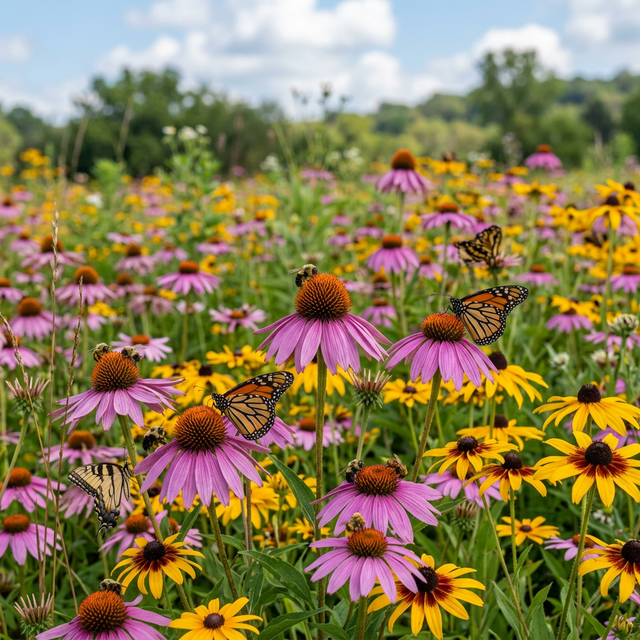
Pollinators — native bees, honeybees, butterflies, moths, and hummingbirds — are the engine of every terrestrial ecosystem. They are responsible for one out of every three bites of food we eat and are necessary for the reproduction of 85% of all flowering plants.
Yet, across the United States, pollinator populations are crashing. Habitat loss, pesticide exposure, and disease have driven once-common species like the Monarch butterfly and the Rusty Patched Bumble Bee to the brink.
For private landowners, this presents an extraordinary opportunity. You don't need hundreds of acres to make a difference. A half-acre of high-quality native wildflowers provides vastly more ecological value than a 50-acre mowed lawn.
Here is how you can quickly establish a thriving pollinator habitat on your property, using native plants that require minimal maintenance once established.
Why Native Plants Are Critical for Pollinators
If you want to help pollinators, skip the generic "wildflower mixes" at the big-box store. Those often contain non-native annuals that look pretty but provide little nectar, or worse, become invasive weeds.
You must plant natives.
Over thousands of years, native insects and native plants evolved together. Many native bees have tongue lengths adapted exclusively to specific native flowers. The Monarch butterfly caterpillar can only eat milkweed. If you plant a Chinese ornamental shrub, a native butterfly likely can't use it, and won't lay eggs on it.
According to research from the University of Delaware (Dr. Doug Tallamy), native plants support 10 to 50 times more insect biomass than non-native ornamentals. If you want pollinators, you plant natives.
The 3 Rules of a Perfect Pollinator Habitat
Whether you are converting a quarter-acre backyard or a 5-acre old pasture, follow these three rules:
1. Aim for Continuous Bloom (Spring to Fall)
Pollinators need food from the moment they emerge in early spring until they hibernate or migrate in late fall.
- Spring: Willows, native plums, redbuds, golden alexanders.
- Summer: Purple coneflower, milkweeds, bee balm, blazing star.
- Fall: Asters, goldenrods, Joe-Pye weed. (Fall nectar is critical fuel for migrating Monarchs).
2. Group Plants in "Drifts"
Don't plant one coneflower here and another 20 feet away. Bees forage by "flower constancy" — once they start collecting pollen from a specific flower, they want to keep visiting that exact species. Plant in blocks or "drifts" of at least 3 to 5 plants of the same species.
3. Leave the Mess
"Clean" landscapes are ecological dead zones.
- Leave the leaves: Many moth and butterfly pupae overwinter in fallen leaves under trees.
- Leave old stems: About 30% of native bees nest in the hollow stems of last year's wildflowers (like Joe-Pye weed and elderberry). Don't cut your garden down in the fall; wait until late spring.
- Leave bare soil: 70% of native bees nest in the ground. They need patches of undisturbed, un-mulched soil to dig their tiny burrows.
High-Impact Native Plants for Every Region
While strict natives vary locally, these "powerhouse" plant groups are native to huge swaths of the U.S. and support immense numbers of pollinators:
| Plant Family | Best Season | Supported Wildlife | Why It Matters |
|---|---|---|---|
| Milkweeds (Asclepias spp.) | Summer | Monarchs, native bees | The only host plant for Monarch caterpillars. Essential. |
| Goldenrods (Solidago spp.) | Late Summer / Fall | Bees, migrating butterflies | Often supports over 100 species of caterpillars. Does not cause hay fever (ragweed does). |
| Asters (Symphyotrichum spp.) | Fall | Late-season bees | Crucial late-season nectar source before frost. |
| Mountain Mints (Pycnanthemum spp.) | Summer | Dozens of wasp and bee species | Perhaps the single highest-attracting nectar plant for insect diversity. |
| Native Sunflowers (Helianthus spp.) | Late Summer | Specialist bees, songbirds | Huge nectar producers; seeds feed birds all winter. |
| Willows (Salix spp.) | Early Spring | Queen bumblebees | One of the earliest pollen sources when winter breaks. |
Resource: Find the exact power-plants native to your zip code using the National Wildlife Federation's Native Plant Finder.
How to Prepare and Plant Your Site (The "Quick Win" Method)
The fastest way a habitat planting fails is poor site preparation. If you scatter expensive native seed into an existing grassy field, the established grass will choke out the seedlings immediately. You must kill the existing vegetation first.
Step 1: Solarization (The Non-Chemical Prep)
If you have a small area (under a quarter-acre) and want to avoid herbicides:
- Mow the area as low as possible in the spring.
- Cover the area with clear, UV-stabilized plastic sheeting and bury the edges.
- Let the summer sun bake the soil for 2–3 months, cooking the existing grass and weed seeds.
- Remove the plastic in early fall—you now have a clean slate.
Step 2: Sowing Native Seed
Native seeds are largely wild and need to experience winter to break dormancy (a process called cold stratification).
- The Best Method: Broadcast your native seed mix over the prepared, bare soil in late November through January.
- The snow and freeze-thaw cycles will work the seed perfectly into the soil.
- Do not bury the seed; most native seeds need light to germinate. Just walk over it or use a lawn roller to press it in.
Step 3: The "Sleep, Creep, Leap" Timeline
Manage your expectations. Native perennial plantings take three years to look like the photos.
- Year 1 (Sleep): They spend all their energy growing massive root systems. You will mostly see annual weeds. Mow the weeds to 6 inches high whenever they reach a foot tall to prevent them from shading out the tiny native seedlings.
- Year 2 (Creep): You will see some blooms and steady growth.
- Year 3 (Leap): The deep roots are established, the plants explode with flowers, and the pollinators arrive in droves.
Let the USDA Pay for Your Pollinator Habitat
If you are converting more than a half-acre, establishing a high-quality pollinator habitat can be expensive (native seed mixes often run $300–$600+ per acre).
The USDA Natural Resources Conservation Service (NRCS) views pollinator decline as a national crisis and heavily funds habitat creation on private lands. Through the EQIP program, landowners can receive cost-share payments covering 50% to 90% of the site prep, seed cost, and planting labor.
State wildlife agencies (like your local Department of Natural Resources) or groups like Pheasants Forever also offer free technical site visits and access to specialized seed drills.
Summary
Creating a pollinator habitat is one of the most visible, deeply rewarding conservation projects a landowner can undertake. By eliminating invasive grasses, planting diverse native species that bloom from spring to fall, and leaving the "messy" stems and leaves overwinter, you can create a biological hotspot that supports thousands of insects and birds within just three years.
Ready to start? Learn more about USDA Conservation Programs and Funding, or read up on managing the invasive species that threaten native habitats.
Sources & Further Reading
- The Xerces Society for Invertebrate Conservation: xerces.org
- USDA NRCS — Insects and Pollinators: nrcs.usda.gov
- National Wildlife Federation — Native Plant Finder: nwf.org/NativePlantFinder
- Pollinator Partnership — Ecoregional Planting Guides: pollinator.org/guides
- University of Delaware — Dr. Doug Tallamy's Bringing Nature Home: bringingnaturehome.net
- Pheasants Forever — Pollinator Habitat Guide: pheasantsforever.org
Written by Maria Rodriguez, Wildlife Biologist & Conservation Programs Advisor at LandHelp.info. Maria specializes in habitat improvement, pollinator ecology, and navigating NRCS incentive programs for private landowners.
Tags:
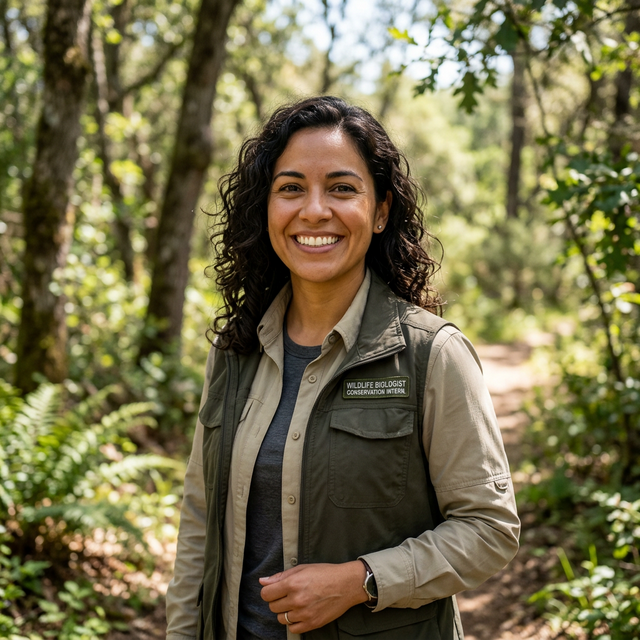
Maria Rodriguez
Wildlife Biologist & Conservation Programs Advisor
Maria specializes in wildlife habitat improvement and navigating conservation incentive programs. She has helped hundreds of landowners access NRCS programs and improve habitat on their properties.