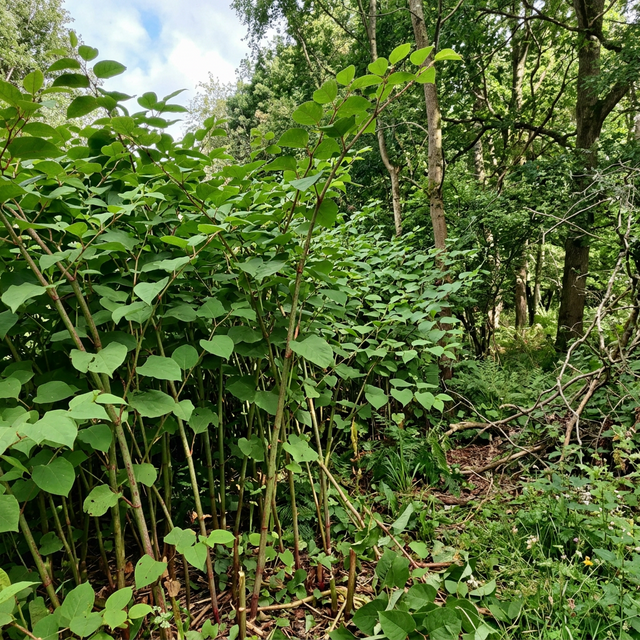
Biological Control of Invasive Species – What Really Works
Explore biological control for invasive species on private land. Learn how state and federal agencies use insects, fungi, and livestock to fight noxious weeds and pests.
Biological Control of Invasive Species – What Really Works
When an invasive plant like musk thistle or leafy spurge takes over a pasture, the first instinct of most landowners is to reach for a sprayer or fire up the bush-hog.
But what if you could fight biology with biology?
Biological control (or biocontrol) is the intentional introduction of natural enemies—insects, pathogens, or grazing animals—to reduce the population of an invasive species. While it is rarely a "silver bullet" that completely eradicates an invader, it is a critical, cost-effective tool that works 24/7 without chemicals, diesel, or sweat equity.
Here is a look at how biocontrol works, the success stories you can leverage on your own land, and how to use livestock as biological weed-eaters.
How Classical Biocontrol Works
When a foreign plant or insect arrives in the United States, it leaves its natural enemies behind. Without the specific insects and diseases that ate it in its home country, it grows explosively, outcompeting our native species.
"Classical biocontrol" reconnects the invader with its enemies.
Scientists travel to the pest's native range (often Europe or Asia) and find the specific insects that keep it in check. These insects undergo grueling, multi-year testing in quarantine facilities by the USDA Animal and Plant Health Inspection Service (APHIS) to ensure they will only eat the target weed and will starve to death before eating native American plants or agricultural crops.
Once approved, state agencies and universities rear and release these insects into infested areas.
Why Use Biocontrol?
- Low Cost: Once established, the insects multiply and spread for free.
- Targeted: A well-researched biocontrol agent will not harm your clover, trees, or native wildflowers.
- Continuous: It works on steep, rocky hillsides or wet areas where tractors cannot safely go.
Biocontrol Success Stories (And How You Can Use Them)
If you have these noxious weeds on your property, biological control might already be working in your area—or you might be able to request an insect release.
1. Musk (Nodding) Thistle
This aggressive pasture weed produces thousands of seeds that blow across the landscape.
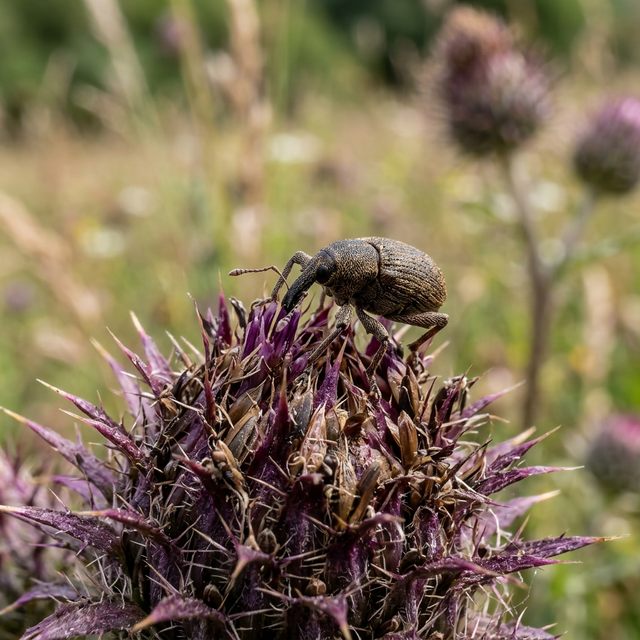
- The Biocontrol: The Rhinocyllus conicus seedhead weevil and the Trichosirocalus horridus crown weevil.
- The Result: The adult weevils lay eggs on the thistle, and the larvae burrow into the flower heads or crowns, consuming the seeds before they mature. In states like Virginia and Missouri, these weevils have reduced musk thistle populations by up to 90%.
- Action: Before you spray a pasture of musk thistle, look closely at the flower heads in late spring. If they appear brown, scarred, or deformed, break one open. You may find tiny white grubs inside. If so, do not spray—you have a thriving weevil population doing the work for you. Let them finish the job.
2. Leafy Spurge
A devastating, toxic weed that dominates Western rangelands, leafy spurge has massive roots that easily survive fire and herbicide.
- The Biocontrol: The Aphthona flea beetle.
- The Result: The adult beetles eat the leaves, but the real damage is done by the larvae in the soil, which consume the massive root system. The beetles have reclaimed millions of acres of rangeland from the Dakotas to Montana.
- Action: If you live in the West, contact your county weed superintendent or local extension office. Many counties organize "flea beetle days" where landowners can literally gather nets full of beetles from active sites to release on their own property.
3. Spotted and Diffuse Knapweed
These weeds push out native forage and release chemicals into the soil that kill surrounding grass.
- The Biocontrol: Over a dozen insects are used, most notably the Larinus seedhead weevils and Cyphocleonus root weevils.
- The Result: The "one-two punch" of destroying the seeds and the root system simultaneously stresses the plant heavily, allowing native grasses to compete again.
4. Purple Loosestrife
A beautiful but disastrous wetland invader that chokes out duck and amphibian habitat.
- The Biocontrol: Two Galerucella leaf-eating beetles.
- The Result: This is one of the greatest successes in U.S. biocontrol history. The beetles can defoliate entire massive stands of loosestrife in a single summer, allowing cattails and native sedges to return. Releases are managed by state DNRs across the Midwest and East.
Augmentative Biocontrol: Using Goats and Sheep
You don't just have to rely on tiny insects. Livestock are highly effective biological weed control agents if managed thoughtfully using multi-species grazing techniques.
Different animals have different mouthparts and digestive systems:
- Cattle use their tongues to wrap around and pull grass. They despise thorny brush.
- Sheep have cleft upper lips that allow them to selectively bite broadleaf weeds right down to the ground. They are excellent for controlling leafy spurge and tall, toxic weeds that cattle ignore.
- Goats are browsers. They strip bark and eat thorny brush from the top down.
The Goat Solution
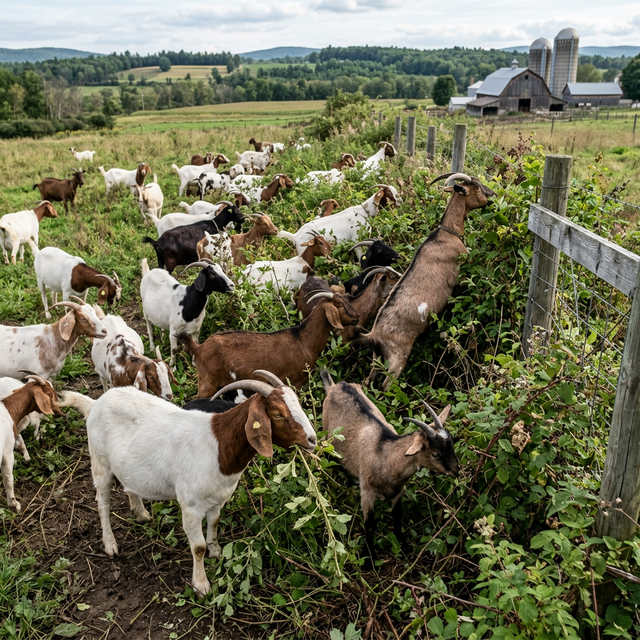
If your pasture or woodland edge is choked with invasive Multiflora Rose, Autumn Olive, or Japanese Honeysuckle, a herd of goats is often cheaper and safer than a heavy herbicide treatment.
Because goats strip the leaves and bark off the brush, the plant is forced to expend root energy to releaf. If the goats hit it again a month later, the root system starves.
Tips for using goats:
- Rent, don't buy: Goats require excellent, expensive fencing. Many companies now offer "targeted grazing" services, bringing a herd of goats and portable electric netting to your property to clear brush for a few weeks, then taking them home.
- Follow up: Goats do not kill the stump entirely. Once the goats have cleared the brush, you will still need to apply a cut-stump herbicide treatment or bush-hog the resprouts the following spring.
When NOT to Rely on Biocontrol
Biocontrol is about management, not eradication. An insect will never eat 100% of a weed population; if it did, it would starve. The goal of biocontrol is to reduce the weed population to an unnoticeable, easily manageable level.
Do not wait for biocontrol if:
- You have just spotted a new invasive species on your land. Hit it immediately with herbicide or hand-pulling before it spreads. Biocontrol is for massive, established populations that are too expensive to spray.
- You are trying to eradicate a highly toxic weed from a small horse pasture. The insects work too slowly; use targeted herbicide.
Summary
Biological control is a fascinating interplay of ecology. By understanding the insects already working in your fields, or by bringing in targeted grazing animals, you can dramatically reduce your reliance on chemical herbicides and tractor fuel. Contact your local university extension office or state department of agriculture to learn which biocontrol agents are active or available for release in your county.
Explore more: Learn how to identify and manually remove the most aggressive woody invasive plants blocking your habitat goals.
Sources & Further Reading
- USDA APHIS — Biological Control Program: aphis.usda.gov
- Cornell University — Biological Control: A Guide to Natural Enemies in North America: biocontrol.entomology.cornell.edu
- University of Idaho — Biological Control of Weeds: uidaho.edu
- Montana State University Extension — Biocontrol of Noxious Weeds: msuextension.org
- The Livestock Conservancy — Targeted Grazing: livestockconservancy.org
Written by Dr. Sarah Mitchell, Senior Editor & Land Management Specialist at LandHelp.info. Dr. Mitchell holds a Ph.D. in Natural Resource Management and has spent 20 years guiding landowners toward regenerative, low-chemical land management practices.
Tags:
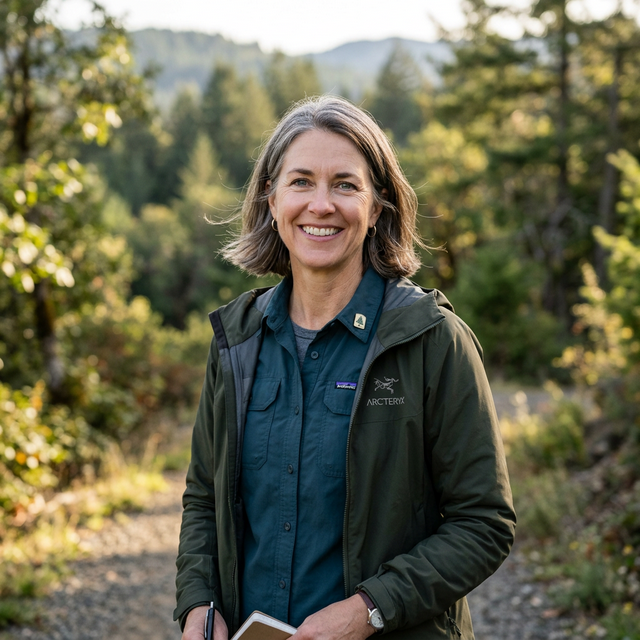
Dr. Sarah Mitchell
Senior Editor & Land Management Specialist
Dr. Mitchell has over 20 years of experience in natural resource management, with expertise in sustainable agriculture and forest stewardship. She holds a Ph.D. in Natural Resource Management from Colorado State University and has worked with the USDA NRCS for 15 years.