Prescribed Burning on Small Properties: Is It Right for You?
Everything private landowners need to know about prescribed burning. Learn the benefits, risks, legal requirements, and how to safely use fire to manage your land.
Prescribed Burning on Small Properties: Is It Right for You?
For decades, the cultural message in America was simple: All fire in the woods is bad. Smokey Bear taught us to extinguish every spark.
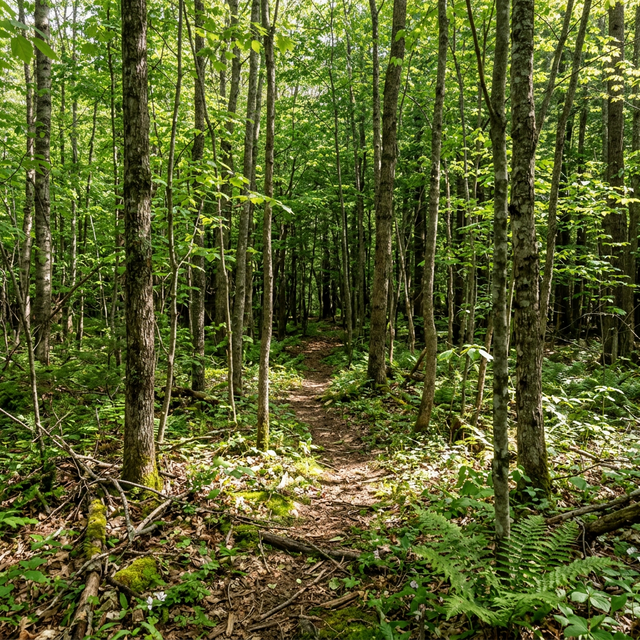
But ecology has proven that absolute fire suppression was a massive mistake. Many North American ecosystems—from the longleaf pine forests of the South to the tallgrass prairies of the Midwest and the ponderosa pine stands of the West—are "fire-dependent." Without periodic fire, they become choked with brush, highly vulnerable to catastrophic wildfires, and virtually useless for wildlife.
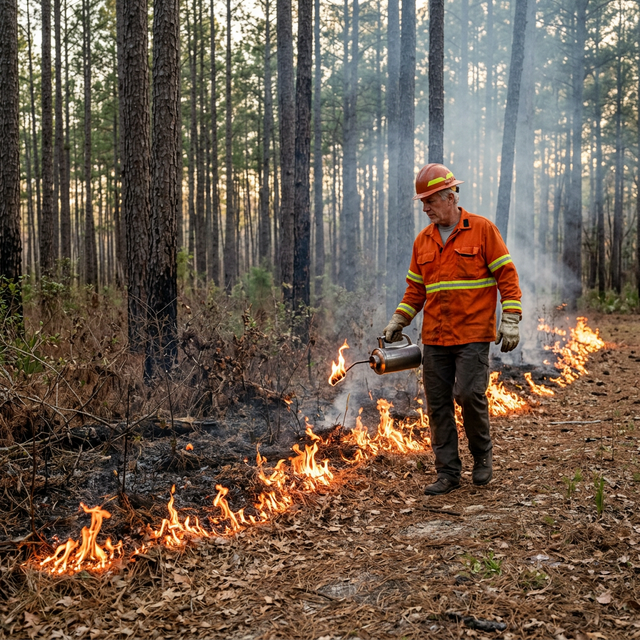
Prescribed burning (also called controlled burning) is the intentional application of fire to a specific area under specific weather conditions to achieve a land management goal.
It is the cheapest, most effective, and most natural land management tool in existence. But is it safe for a private landowner with 10 to 50 acres to use? Yes—if you do it right. Here is what you need to know.
Why Burn? The Benefits of Prescribed Fire
A single, low-intensity fire can accomplish what would take thousands of dollars and weeks of labor with tractors and herbicides to achieve.
1. Hazardous Fuel Reduction
If you don't burn the "fuel" (dead leaves, fallen branches, dry grass) on your terms during the wet, cool winter, a wildfire will burn it on its terms during the hot, dry summer. Prescribed fire consumes this fuel load slowly, drastically reducing the intensity of future wildfires and protecting your home's defensible space.
2. Wildlife Habitat Improvement
Fire is a magnificent catalyst for life. It top-kills small woody saplings (which resprout as tender, high-protein browse for deer). It consumes thick matting on the ground, allowing turkey poults and quail chicks to walk freely and hunt for insects. Furthermore, the ash acts as a natural fertilizer, causing a massive explosion of native wildflowers and forbs the following spring.
3. Invasive Species and Brush Control
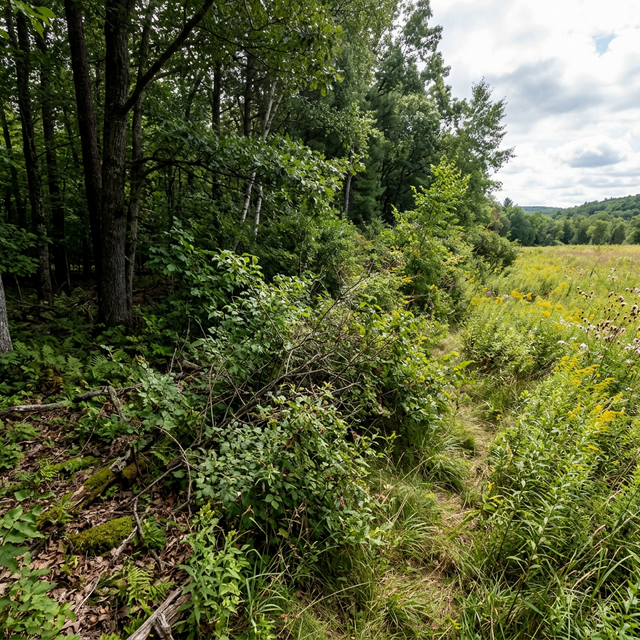
If your old pasture is turning into a thicket of thorny locust, cedar, or blackberry, a hot summer fire can kill small encroaching woody brush, maintaining the open pasture for livestock or wildlife without expensive chemical sprays.
4. Forest Disease and Pest Management
Low-intensity fire sweeping through a pine stand can kill the spores of destructive tree fungi (like brown-spot needle blight) and destroy the overwintering habitat of ticks, chiggers, and certain destructive beetles.
The Risks and Legalities: Are You Allowed to Burn?
The biggest hurdle for private landowners is liability. If a fire escapes your property and burns your neighbor's barn, or if the smoke drifts across a highway and causes a multi-car pileup, you are legally and financially responsible.
Because of this, you cannot simply walk out with a match and start a fire.
Understand Your State's Burn Laws
Burn laws vary drastically by state:
- "Right to Burn" States (e.g., Florida, Georgia, Texas): These states highly encourage prescribed fire. They offer comprehensive "Certified Prescribed Burn Manager" courses for private citizens. If you are certified and follow an approved burn plan, state law significantly protects you from civil liability if a fire escapes.
- Strict Liability States (e.g., California, much of the Northeast): Burning is heavily regulated, permits are difficult to obtain, and the landowner assumes total liability for any damages or smoke issues.
Before you even consider burning:
- Check with your local fire department or county sheriff regarding burn bans and daily permits.
- Contact your state forestry agency to understand the specific legal requirements for prescribed fire in your area.
How a Professional Burn is Conducted
A prescribed burn is a highly orchestrated event, heavily dependent on the weather.
1. The Burn Plan
Months before the fire, a written "burn plan" is created. It identifies the target acres, the location of firebreaks (plowed dirt lines to stop the fire), the hazards (power lines, neighbors' houses), and the exact "prescription."
The prescription defines the weather window required to burn safely:
- Temperature (e.g., 40°F to 65°F)
- Relative Humidity (e.g., 30% to 50%)
- Wind Speed and Direction (e.g., 5–12 mph, steady from the North)
- Smoke Dispersion (ensuring smoke goes up and away from highways/hospitals)
If the weather on burn day does not match the prescription perfectly, you do not burn.
2. Preparing the Firebreaks
The burn unit must be completely surrounded by bare mineral soil or a non-combustible barrier (a road, a plowed line, a wide creek). Do not rely on a mowed strip of grass; fire will easily creep across short grass.
3. The Test Fire and the Backfire
On burn day, you notify the local 911 dispatch. You ignite a tiny 5x5 foot "test fire" in the downwind corner of the unit to observe how it burns and where the smoke goes.
If it acts as expected, you begin by lighting a "backfire"—a slow-moving fire that burns against the wind, creating a large "black" (already burned) safe zone along the downwind edge of your property.
4. Flanking and Head Fires
Once the downwind edge is deeply secured by the backfire, crews walk up the sides (flanking fires) and eventually light the upwind edge (the head fire). The head fire burns quickly with the wind, but it runs into the already-burned black zone and safely extinguishes itself.
5. Mop-Up
After the flames subside, the crew patrols the edges for hours (or days), drowning any smoldering stumps or logs near the firebreaks with water to ensure absolute containment.
How to Get Started if You Have Zero Experience
Never conduct your first prescribed burn alone. Fire is unpredictable and moves faster than you can run.
Here is how a beginner can safely bring fire to their property:
1. Join a Prescribed Burn Association (PBA)
A PBA is a cooperative of local landowners who neighbor-help-neighbor. They pool their equipment (drip torches, water tanks, radios, ATVs) and their labor. You show up to help burn your neighbor's 20 acres and learn the ropes; next month, five experienced neighbors show up with equipment to help burn your 10 acres. There are over 100 PBAs operating in the U.S. today.
2. Take a Certified Burner Course
Contact your state forestry commission. Even if you never intend to lead a burn yourself, taking the 2- to 4-day classroom and field course will teach you fire weather, smoke management, and safety protocols.
3. Hire a Professional or Use USDA Programs
Many private forestry consultants and wildlife biologists offer prescribed burning as a "turn-key" service. They write the plan, bring the crew, assume the liability, and execute the burn.
Funding help: The USDA NRCS frequently funds prescribed burning (Practice 338) through the EQIP program, which can offset 50% to 75% of the cost of hiring a contractor or building the necessary firebreaks.
Summary
Prescribed burning is an incredibly powerful, ecologically essential tool that belongs back on the American landscape. It reduces wildfire risk, decimates invasive species, and creates explosive growth in wildlife habitat. While the liability and logistics can be intimidating, private landowners who join local prescribed burn associations or utilize state training programs can safely and effectively return "good fire" to their woods and fields.
Explore more: Learn how fire integrates into managing wildlife habitats for deer, turkey, and quail, or discover how to fund your burn through Conservation Programs.
Sources & Further Reading
- The Nature Conservancy — Why We Work With Fire: nature.org
- Prescribed Burn Association Network (PBA): prescribedfire.org
- National Deer Association — Prescribed Fire for Deer: deerassociation.com
- US Forest Service — Prescribed Fire: fs.usda.gov
- Southern Fire Exchange — Fact Sheets for Landowners: southernfireexchange.org
- Tall Timbers Research Station: talltimbers.org
Written by Dr. Sarah Mitchell, Senior Editor & Land Management Specialist at LandHelp.info. Dr. Mitchell is a Certified Prescribed Burn Manager and has participated in hundreds of controlled burns across the Southern and Midwestern United States to achieve ecological restoration.
Tags:
Dr. Sarah Mitchell
Senior Editor & Land Management Specialist
Dr. Mitchell has over 20 years of experience in natural resource management, with expertise in sustainable agriculture and forest stewardship. She holds a Ph.D. in Natural Resource Management from Colorado State University and has worked with the USDA NRCS for 15 years.